Artificial Roof Covering Installation Tips for Residences Revealed to Snow and Wind
Homes that encounter lengthy winters, wandering snow, and tough seasonal wind need more than a roof covering that looks great from the road. They need a roofing setting up that stays when gusts start prying at edges, sheds snow without producing persistent ice troubles, and manages freeze-thaw cycles year after year. That is where artificial roofings have actually earned real regard in the field.
I have actually seen a lot of attractive roofing systems fall short early, not since the material itself was inadequate, but due to the fact that the installment did not account for regional weather. A steep roofing system in an open class behaves differently than a sheltered roof covering under fully grown trees. A valley that works penalty in a moderate climate can become the powerlessness after a heavy Chicago snowfall followed by an abrupt warmup and refreeze. With building artificial roof covering, the details matter as long as the item label.
For property owners taking into consideration household synthetic roof covering, specifically in places with winter months exposure like north Illinois, the conversation must work out past color and account. Premium artificial roof covering can mimic slate, cedar shake, or designer roof shingles magnificently, but performance comes from the whole system: deck condition, underlayment, flashing, fastener pattern, air flow, and installation methods customized to wind and snow load.
Why synthetic roof covering has actually become a significant choice in severe climates
Synthetic roof covering shingles are no more treated as a specific niche material. The much better items have actually developed considerably in the last years. They are lighter than all-natural slate, commonly more dimensionally consistent than wood, and simpler to set up precisely when the team recognizes the producer's specs. For homes exposed to wind, that consistency matters. Irregular thickness and variable splitting, which can complicate installation with some natural products, are less of an issue with well-made artificial roof covering systems.
Weight is another practical advantage. A residence might enjoy the appearance of slate, however not every roofing system structure desires the lots of true stone, particularly when several inches of wet snow are added top. Artificial roof replacement typically comes to be attractive when house owners want a high-end account without expensive structural reinforcement. On custom-made builds and synthetic roof covering for high-end homes, that flexibility opens design choices that would or else be more challenging to justify.
That said, not all artificial roof coverings are equivalent. There is a large range in polymer blends, UV security, impact ratings, fire rankings, and accessory offerings. One synthetic roofing business might lug items aimed at cost-conscious tasks, while an additional concentrates on costs artificial roof covering with matching ridge, starter, and hip elements. In snow and wind region, those differences show up sooner.
Start with the roofing style, not simply the material sample
The most significant error I see is treating synthetic roofing installment like a straightforward product swap. A roof covering in a rough environment ought to be prepared as a climate administration system. Prior to a single bundle or pallet arrives, the service provider must assess roof pitch, overhang depth, valley design, chimney infiltrations, https://judahbymp341.valiantfield.com/posts/synthetic-roofing-installation-tips-for-houses-revealed-to-snow-and-wind soffit intake, ridge exhaust, and how snow generally moves across the roof covering plane.
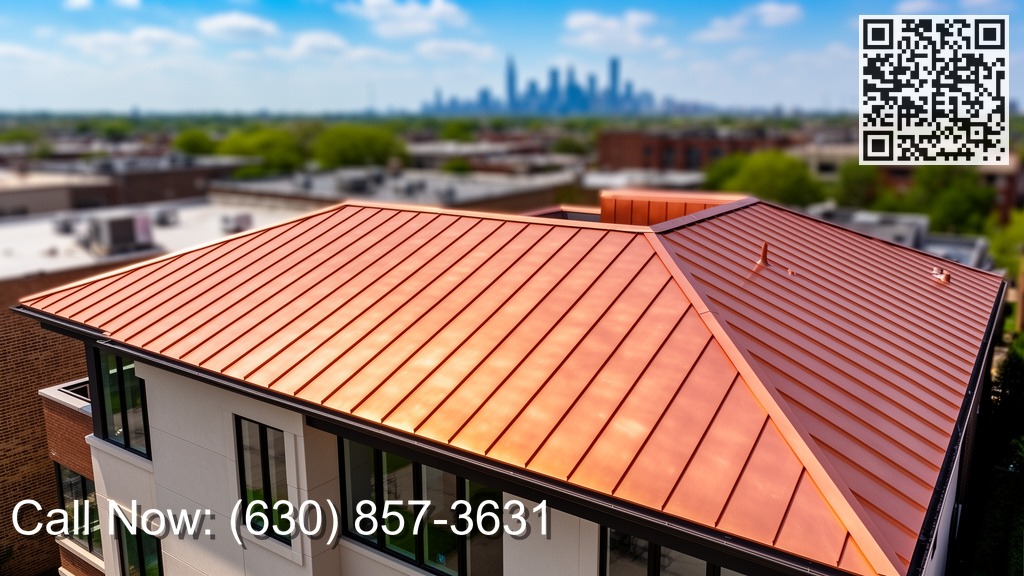
Wind direct exposure is worthy of sincere attention. A home on a wide edge lot, a ridge, or near open farmland sees uplift stress very in different ways from a residence tucked amongst surrounding structures. If the home has multiple gables, dormers, and long eaves, those sides and shifts come to be high-risk zones. That is where a proficient synthetic professional roofer will certainly commonly spend additional time on securing format and blinking details.
Snow produces a different set of problems. It tons valleys, heaps behind smokeshafts, and melts erratically where attic room warm escapes. In the Chicagoland location, freeze-thaw cycling can be relentless. A roofing that warms throughout the day and secures once more overnight will certainly examine every seam, nail positioning, and blinking bend. An artificial roofing contractor Chicagoland homeowners depend on ought to talk about those characteristics early, not after the quote is signed.
Deck condition determines greater than a lot of house owners realize
Synthetic products are forgiving in some ways, yet they are not a cover-up for a weary roof deck. If the decking has soft areas, edge rot, delamination, or irregular aircrafts, those imperfections tend to telegram into the ended up roofing system or minimize fastener holding power. In solid wind, that is not an aesthetic problem. It is an architectural one.
During artificial roofing system replacement, demand a full deck evaluation after tear-off. I have seen roofings where the old material looked serviceable from the ground, once removed, a number of sheets near valleys and eaves were compromised from years of minor leakage and condensation. Replacing those sections added expense in the moment, but it avoided a much larger fixing later.
Fastener retention depends upon sound substrate. When suppliers specify specific nail length, placement areas, and penetration deepness, they are not filling up the instruction sheet with legal language. They are attempting to ensure the installed roof can satisfy the anticipated wind score. An artificial roofing installers team that hurries this step can undermine a great product.
Underlayment is where cold-climate roofing systems quietly succeed or fail
Homeowners typically concentrate on the visible roof product, however in snow country the underlayment does a big amount of work. Water does not always relocate directly downhill. Wind-driven snow can press wetness up under subjected edges, and ice dams can force meltwater back under the main roof covering covering.
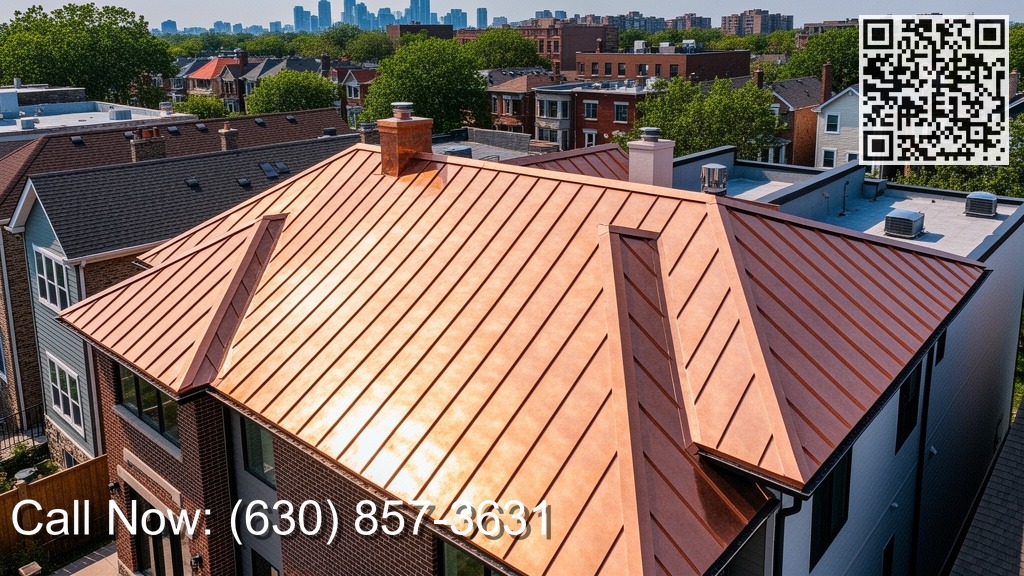
On homes subjected to snow, I usually like to see a robust ice and water membrane at eaves, valleys, around chimneys, around skylights, and in various other leak-prone shifts. Depending upon regional code, roofing system geometry, and historical weather condition seriousness, numerous contractors will extend that membrane well past the minimum code line. On the equilibrium of cost versus protection, that is typically money well spent.
In more comprehensive area areas, a top quality artificial underlayment can add tear resistance and short-term dry-in defense, specifically during unpredictable winter months scheduling. When an artificial roof company says the roof system includes underlayment, ask which one, where it is being used, and why. "System" is one of those words that seems encouraging up until you determine the actual components.
Wind resistance comes down to edges, securing, and discipline
When wind damages a roofing, the failing often starts at the boundary. Corners, rakes, eaves, ridges, and subjected changes take the initial hit. When wind gets under a weak edge, the pressure can take a trip quickly. I have seen roofing systems shed only a few items at first, then open up considerably in the following storm due to the fact that the original repair service overlooked the underlying uplift issue.
That is why side metal, starter training courses, and bolt placement need to be precise. An expert synthetic roofing contractor will not "eye it" when the manufacturer provides a called for nailing area. If an item calls for 6 nails per item in a high-wind application, using 4 since it feels ample is not workmanship. It is a gamble.
This is likewise where training matters. Some roofing contractors are superb with asphalt however much less acquainted with architectural synthetic roof profiles that have various direct exposure lines, securing features, or accessory items. Synthetic roof installers require to comprehend the details product on the truck that day, not artificial roof in the abstract.
A few installation points are entitled to special attention on windy, snowy homes:
- Reinforce eaves, rakes, and edges according to the supplier's high-wind requirements.
- Use the precise bolt type, size, and amount defined for the deck and product.
- Install starter, hip, and ridge devices that are created for the roofing line, not improvised substitutes.
- Keep direct exposure and alignment tight so wind can not make use of irregular gaps or raised edges.
- Verify that blinking and side steel sequencing routes water out, also if snow backs up temporarily.
That list appears standard, but in the area, those are the information that divide a roofing that survives harsh winters from one that becomes a reoccuring service call.
Snow dropping is great, up until it creates a new hazard
One underappreciated feature of many synthetic roofings is just how effectively they dropped snow. Compared with rougher surface areas, some synthetic accounts allow snow to launch more cleanly. That can reduce prolonged loading, which is valuable, however it can likewise develop abrupt snow slides over entrances, decks, walkways, and reduced roof covering sections.
This is where product option and roofing geometry ought to be gone over with each other. On a high front-facing roofing system above a hectic access, the proprietor might gain from a snow retention strategy. On an additional area, complimentary dropping might be more suitable to decrease heavy build-up. There is no global answer. A great installer weighs safety, visual appeals, and moisture monitoring together.
Homes with multiple converging roof covering planes need extra believed here. Snow moving from a top roof covering can impact a reduced area with sufficient pressure to tension flashings, seamless gutters, or guards if they are not designed for it. I have actually seen lower valleys packed tough with snow and ice simply since the top roofing system unloaded onto them continuously all season.
Ventilation still matters, despite having outstanding materials
Premium synthetic roofing will certainly not solve attic warm imbalance. If warm indoor air leakages right into the attic room or ventilation is improperly balanced, snow can thaw unevenly on the roofing system deck, then refreeze at cooler eaves. That is how many ice dams start. The roofing system covering obtains condemned, yet the origin problem is typically inside the structure envelope.
An appropriate evaluation must take a look at insulation levels, air securing, soffit intake, stuns, and ridge or high-exhaust capacity. The purpose is a roof deck that remains as close as functional to the exterior temperature level in winter. If that sounds more like structure scientific research than roof, that is because it is. In cool climates, roofing efficiency rests right at the crossway of both.
For home owners in synthetic roof Chicago markets and western suburbs such as artificial roofing Naperville IL projects, this is especially relevant because winter weather has a tendency to cycle between deep cold, wet snow, thaw, and refreeze. That sequence penalizes any kind of powerlessness in air flow or insulation.
Valleys, smokeshafts, and penetrations are entitled to far better than "basic information"
Most leaks do not occur in the broad field of the roofing. They happen where materials change instructions, where water concentrates, or where something pokes via the aircraft. Valleys network large volumes of water and dissolved snow. Smokeshafts disrupt runoff and create drift areas. Plumbing heaps, satellite installs, skylights, and vent hoods each add another chance for dampness intrusion.
I beware whenever a proposition plays down these areas with common language. On high-end household synthetic roof, especially artificial roof for deluxe homes with complex style, information work is where the installment earns its cost. Counterflashing need to be crisp. Saddle flashing behind wider smokeshafts need to be considered where proper. Valleys must be developed with both drain and snow actions in mind.
One functional example: open valleys can do effectively, but they require clean geometry and compatible steels. Closed-cut or woven strategies might suit other roofing system types much better, depending upon the product. With synthetic roof covering tiles that imitate slate or shake, the valley approach need to match both the item and the environment. There is no reason to force an acquainted method if the supplier recommends another path.
Cold-weather organizing can affect installation quality
Winter roof is feasible, but it calls for self-control. Some artificial products deal with low temperature levels much better than others. Sealants behave in a different way in the cold. Crew speed goes down when surface areas are icy and daytime is short. That does not instantly suggest the task should be postponed, however it does indicate the timetable and methods need adjustment.
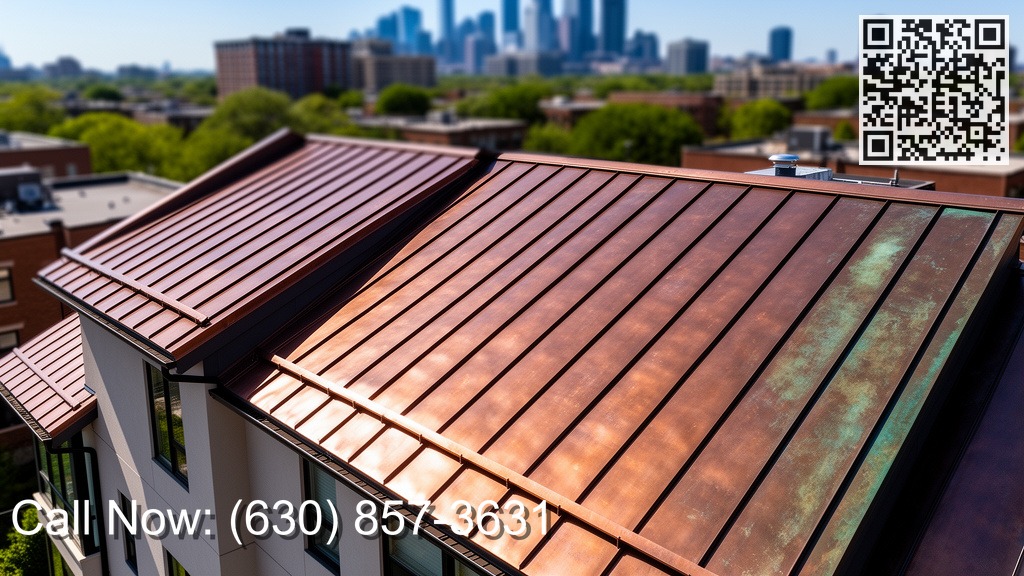
A skilled artificial roofer ought to be candid regarding this. If temperatures are near product limitations, if snow cover stops correct substratum prep work, or if the roof can not be kept safely completely dry during installment, postponing a day or staging the work differently may be the smarter step. It is far better to accept a brief delay than thrill a permanent setting up under short-lived pressure.
The best crews prepare for climate windows. They secure revealed areas aggressively, stage materials so items stay tidy and manageable, and stay clear of faster ways that typically appear when a tornado is anticipated for the following morning.
Choosing the ideal installer issues as much as choosing the appropriate roof
People often ask whether the brand or the specialist matters a lot more. In harsh climates, I would say the professional initially, after that the brand, supplied the brand name is reputable. A solid product can be wrecked by laid-back craftsmanship. A skilled staff can make a great item execute as planned for decades.
When assessing an artificial roof covering firm, ask particular questions. Have they installed this precise item before? Do they adhere to producer training or qualification programs? How do they take care of ice and water defense in valleys and eaves? What modifications do they create high-wind areas? Can they discuss air flow method in plain language? If the responses remain unclear, keep looking.
A trusted contractor also recognizes the aesthetic side. Many property owners pick architectural artificial roof due to the fact that they want the appearance of slate or cedar without the very same maintenance worry or structural weight. Good installers protect that layout intent by maintaining gushing clean, cuts balanced, and accessory items constant across the roof.
Here are a few signs that you are talking with the appropriate group:
- They discuss the roof covering as a system, not simply a roof shingles or tile.
- They evaluate outdoor decking, attic room ventilation, and flashing conditions before finalizing scope.
- They can clarify maker demands without guessing.
- They talk about regional snow and wind actions, not generic nationwide averages.
- They give a clear prepare for shielding landscaping, gutters, and prone roofing transitions.
That sort of conversation generally informs you greater than a shiny brochure ever before will.
Cost, worth, and where premium options make sense
Synthetic roof covering replacement often sets you back a lot more ahead of time than typical asphalt, however the value formula is not almost preliminary rate per square. In snow and wind direct exposure, homeowners should consider sturdiness, anticipated upkeep, visual durability, architectural considerations, and insurance policy implications where applicable.
Premium artificial roof covering makes one of the most feeling when your home design calls for a refined profile, when the proprietor wants lower maintenance than all-natural timber, or when natural slate's weight produces difficulties. For some homeowners, the determining factor is visual charm paired with tornado resistance. For others, it is the capability to get a premium appearance without reconstructing framing to lug a much larger roof.
Still, premium does not indicate overbuilt in every situation. A decently sized home in a protected setting may not require one of the most expensive product line if a mid-tier synthetic roofing system meets the performance needs and the installation is superb. Good judgment suggests matching the roof to the house, not immediately grabbing the top shelf.
A local perspective for snowy, gusty markets
In north Illinois, the obstacle is not simply one weather occasion. It is repetition. Snowfall, wandering, wind uplift, ice, thaw, rain on snow, then one more freeze. A roofing might look great after one winter and begin showing anxiety after the third or fourth if information were missed out on. That is why homeowners searching for synthetic roof Chicago specialists or an artificial roofer Chicagoland group need to prefer local experience, particularly with homes that have actually already lived through numerous winters.
The very same chooses rural tasks. A crew doing artificial roof Naperville IL job should understand area direct exposure patterns, common attic room issues in the regional real estate supply, and how municipal code intersects with producer referrals. Regional expertise is not marketing fluff when climate is a major style load.
What a well-installed synthetic roof must feel like after the initial storm season
After a proper artificial roof covering setup, the signs are usually refined. You do not listen to pieces rattling in hard wind. Snow and meltwater action where they should. Attic examination shows no fresh discoloration around penetrations or valleys. Gutters are not packed with uncommon debris. Edges stay neat, ridges remain straightened, and absolutely nothing concerning the roof covering requests attention.
That peaceful efficiency is the goal. The roofing must not end up being one of the most intriguing part of winter season. It needs to merely take care of the season.
For homeowners weighing artificial roofs for a snow- and wind-exposed property, the best suggestions is simple: pick a product with tested specifications, but put equivalent energy into picking the installer and examining the information of the setting up. Ask just how the roof will certainly manage uplift, wandering, ice backup, ventilation, and focused runoff. Press for specifics. On a tough home, those responses matter far more than a sample board in best showroom lighting.
When synthetic roofing systems are chosen thoughtfully and mounted with discipline, they can offer an engaging mix of strength, charm, and functional performance. That is specifically real for domestic synthetic roofing in climates where winter season examinations every shortcut. A roof covering does not need to be fancy to be excellent. In snow and wind country, remarkable normally means it is still doing its job long after the storm has passed.
When Quality Matters
Salvo Architectural Roofing Contractors
566 West 5th Ave Naperville, IL 60563
(630) 857-3631
 Ask ChatGPT
 Ask Grok
 Ask Perplexity
 Ask Claude
 Ask Google AI
 Ask You